
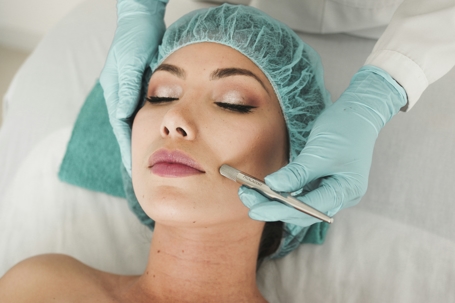
As demand for non-surgical aesthetic treatments continues to surge across California, medical spas have become one of the fastest-growing segments of the beauty and wellness industry. However, behind the strong market opportunity lies a dense and highly regulated legal framework. Many operators rush to open medical spas without fully understanding California healthcare laws, only to later face regulatory investigations, substantial fines, civil lawsuits, or even criminal exposure.
Southern California trial attorney and former prosecutor Paul P. Cheng, Esq. explains:
“California medical spa regulations operate like a legal maze. What appears to be a simple business decision, such as ownership structure or staffing, can quickly trigger serious compliance violations.”
Medical Spa Ownership in California: Can Non-Physicians Invest?
Under California’s Corporate Practice of Medicine (CPOM) Doctrine, only licensed California physicians—Medical Doctors (MDs) or Doctors of Osteopathic Medicine (DOs), may own a medical practice or control medical decision-making.
Attorney Cheng explains:
“The purpose of CPOM is to ensure that medical decisions are driven by patient care—not profit. Non-physician investors may contribute capital or manage non-medical operations, but they must never influence medical judgment, treatment protocols, provider credentialing, or pricing of medical services.”
Permissible Ownership and Investment Structures
1. Physician-Owned Model
A fully compliant structure where a licensed physician owns and controls both medical and non-medical operations.
2. Physician–Non-Physician Partnership
Non-physicians may manage marketing, finance, HR, and operations through carefully drafted agreements that preserve physician independence over all medical decisions.
3. Passive Investment Model
Investors provide capital only and receive returns, with no involvement in daily operations or medical activities.
Improper structuring can result in violations of CPOM, fee-splitting prohibitions, and unlicensed practice of medicine.
Entity Selection: Why LLCs Are Not Allowed for Medical Spas in California
One of the most common—and costly—mistakes made by out-of-state investors is attempting to operate a California medical spa as a Limited Liability Company (LLC).
“California law expressly prohibits LLCs and general corporations from practicing medicine,” Cheng warns. “Medical spas must be formed as Professional Corporations (PCs), with physician ownership meeting strict regulatory requirements.”
A properly formed Professional Corporation not only complies with California law but also provides liability protection for physician owners.
Six Core Compliance Requirements for California Medical Spas
1. Medical Director Requirement
Every medical spa must appoint a licensed California physician as Medical Director to oversee all medical procedures—both invasive and non-invasive—including injectables, laser treatments, and IV therapy.
“A Medical Director is not a figurehead,” Cheng notes. “They must actively review protocols, train staff, ensure emergency readiness, and bear ultimate clinical responsibility.”
2. California Medical Board Registration
Facilities providing medical services must register with the Medical Board of California, disclosing ownership, Medical Director credentials, and medical equipment. Operating without registration may constitute illegal practice of medicine.
3. Licensing for Non-Medical Aesthetic Services
Even non-medical services (e.g., facials, hair removal, nail services) must comply with California Board of Barbering and Cosmetology rules.
“A frequent violation occurs when unlicensed personnel operate medical devices—this can amount to unlicensed medical practice,” Cheng cautions.
4. Scope of Practice and Supervision Requirements
- Physicians (MD/DO): May perform and supervise all procedures
- Nurse Practitioners (NP): May perform many procedures with physician oversight; limited independent authority
- Physician Assistants (PA): Must operate under direct physician supervision
- Registered Nurses (RN): May administer injections under physician orders
- Estheticians/Cosmetologists: Limited to superficial, non-medical treatments only
5. HIPAA and Patient Privacy Compliance
Medical spas must implement HIPAA-compliant systems, including secure electronic records, privacy training, and controlled access.
“I’ve handled cases where staff shared patient before-and-after photos without authorization, resulting in seven-figure liability exposure,” Cheng notes.
6. Insurance Coverage Strategy
A compliant medical spa should carry:
- Medical malpractice insurance
- General liability insurance
- Equipment and device coverage
- Cyber liability insurance for patient data protection
Legal Boundaries of Common Medical Spa Procedures
Botox and Dermal Fillers
Only physicians, NPs, PAs, or RNs under physician supervision may perform injections.
“California law requires direct physician supervision—‘remote oversight’ may not satisfy statutory requirements,” Cheng explains.
Laser Hair Removal and Vascular Treatments
These are medical procedures. Operation by estheticians without on-site medical supervision is unlawful.
Microdermabrasion
- Superficial epidermal treatments may be performed by licensed estheticians
- Treatments penetrating the dermis for scars or wrinkles require licensed medical personnel
Key Steps to Forming a Professional Corporation (PC) in California
- Business Name Approval – Must include “Professional Corporation” or “PC”
- Articles of Incorporation – Filed with the California Secretary of State
- Corporate Bylaws – Define Medical Director authority and emergency protocols
- Federal EIN Application – For tax and employment purposes
- Local Licensing – Business licenses, zoning, and fire approvals
Enforcement Risks: “Operate First, Fix Later” Is a Costly Mistake
Attorney Cheng concludes:
“Too many operators assume they can open first and fix compliance later. California regulators and prosecutors take a zero-tolerance approach to unlicensed medical practice. Violations can result in criminal misdemeanor charges, daily administrative penalties, and substantial civil liability.”
He adds:
“A medical spa is first and foremost a medical facility. Investing in compliance is an investment in brand credibility, asset protection, and long-term business viability.”
About the Law Offices of Paul P. Cheng
The Law Offices of Paul P. Cheng and its trial defense team bring extensive experience in California healthcare compliance, professional corporation formation, regulatory defense, and business litigation. The firm represents medical spas, healthcare professionals, and investors throughout Southern California.
To evaluate whether your medical spa complies with California law—or to obtain assistance with professional corporation formation—contact the firm for a confidential consultation.
(626) 356-8880
www.pprclaw.com
Disclaimer:
This article is provided for general informational purposes only and does not constitute legal advice. Each situation is unique. For legal advice specific to your circumstances, consult a qualified attorney directly.